
Safety and the speed of flexibility (8/12)
Information moves differently in healthy organizations than in strained ones. People in healthy organizations don't know more, but they feel safe enough to share what they know.
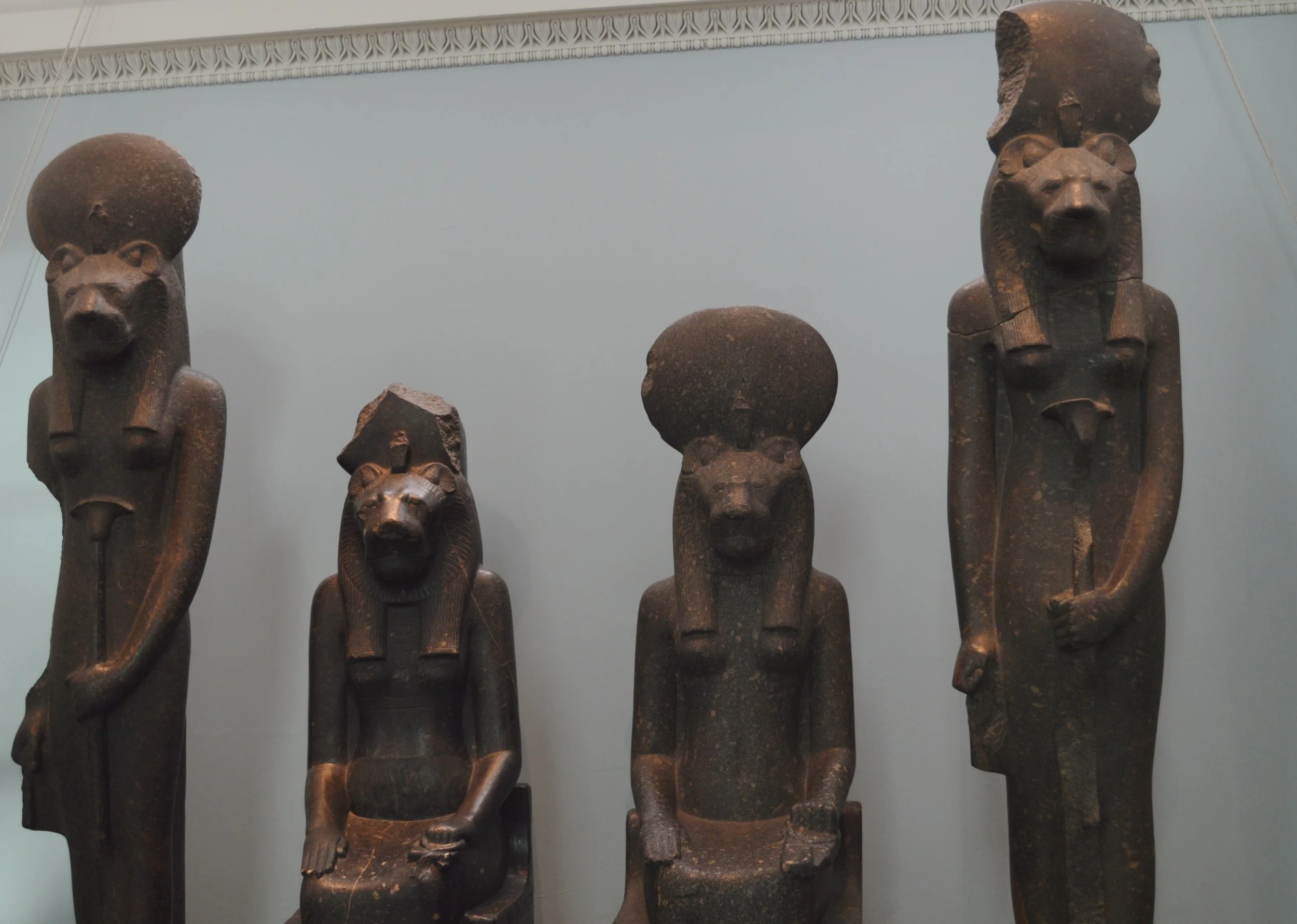
Building a Team Capability (7/12)
What happens to an organism when every part is operating in its zone of specialty — when strengths are the architecture rather than the accident?

The tax of mistrust (6/12)
The greatest tax of low trust is the weight of operating without it, and the people who stop waiting for it to be built, leave.

Team as Organism (part 5/12)
The strength of the human organism isn't in any individual part. It's in what the parts together make possible.
What would it mean to build a team that way?

Team Infrastructure (4/12)
Have you ever experienced situations with people who have seemed difficult in one environment were high-achieving collaborative team members in another?
What Shifted?

Leader Exhaustion (Part 3 of 12)
A team that doesn't feel safe raising concerns might try to ignore them, hoping they’ll vanish or someone else (like their boss) will take care of them.
Problems unattended can grow. And migrate – Up.

Return on Workforce Investment (2/12)
People leave jobs because of their managers, not the job. Their reasons: no purpose, no trust, no growth, not working where they are strongest.

Friction: Fuel of Inspiration
Disagreement that has been suppressed will undoubtedly surface again at a greater cost than if it had been allowed to breathe the first time.
Friction isn’t a warning sign: It's an opening for opportunity. It's the evidence that two real, differently-informed views are in the room. And that’s where something new can be created.

Returns on Investment (Part 1 of 12)
Every change, every strategic initiative eventually lands on a team: What they do with it depends almost entirely on the conditions the leader has created

Unlocking Potential
The common question "how do we manage the change?" misses the point.
The questions I’d like you to consider:
What could be possible if we unlocked the potential we hired?

Storms From Every Compass Point
What if the leader’s job was to build resilient, adaptive teams that were generating the change that drives productivity, rather than reacting to it?

Contained? or Constrained?
The people you hired had track records. Ideas. Drive. Ambition that showed up clearly in the interview.
Has the culture constrained them, slowly (not dramatically) but steadily? Bound them up?
Their brilliance hasn't left.
Alternatives to Hard Conversations
Accountability stays with the team member, and the leader retains the support role.


Strategic Imperative: Transforming Leadership
Less than 13% of AI implementations provide their intended results within a year and Leadership is feeling the strain. . . New Style of Leadership is needed. . . one that intentionally unleashes the potential in the workforce, increasing retention, improving decision making and resilience. . . where each team member is alert for possibly exciting potential opportunities – to be explored, evaluated, tested and possibly seized/ built on
Realize ROI of AI? Reinvent Leadership.
Change is constant. AI is iterating and advancing at what had been an unimaginable pace. . . pressure to increase productivity is driving organizations to implement AI and Agents. Old methods of leadership rarely support this constant change, or help team members feel less stressed. . . organizations have been deploying AI, with no significant bottom-line impact.
To realize ROI Leadership must be re-invented.

Maximize Productivity and Organizational Resilience
To maximize the benefits of AI, Agents and technology, Human-centered leadership is fundamental. Leaders must bake the culture of change and adaptation into their organizations. Maximizing productivity utilizing AI, hinges on the human employees who will become the resilience of the organization

Realizing ROI
Specialists who comfortably operate in the spaces between leadership, team members, and technology; who focus on the human element, can increase resilience . . . increase success adoption, Improving the opportunity to realize the value of the implementation
Achieving the Performance Edge
The performance edge in 2026 will not come from technology alone.
It will come from human-centred leadership within purpose-driven cultures that utilize technology in order to amplify the work of its people.

Outstanding Leader of the Year 2025
We would argue with confidence that this leader is possibly one of, if not the, most inspiring and effective leaders ever. And this leader has been an unwaveringly successful role model for quite some time.